A Unified Leadership Culture for Growth 

    Ota yhteyttä
    Varaa keskusteluaika
    Alex_Lagersted_008

    “This is essentially an industrial startup, even though we’re 133 years old.”

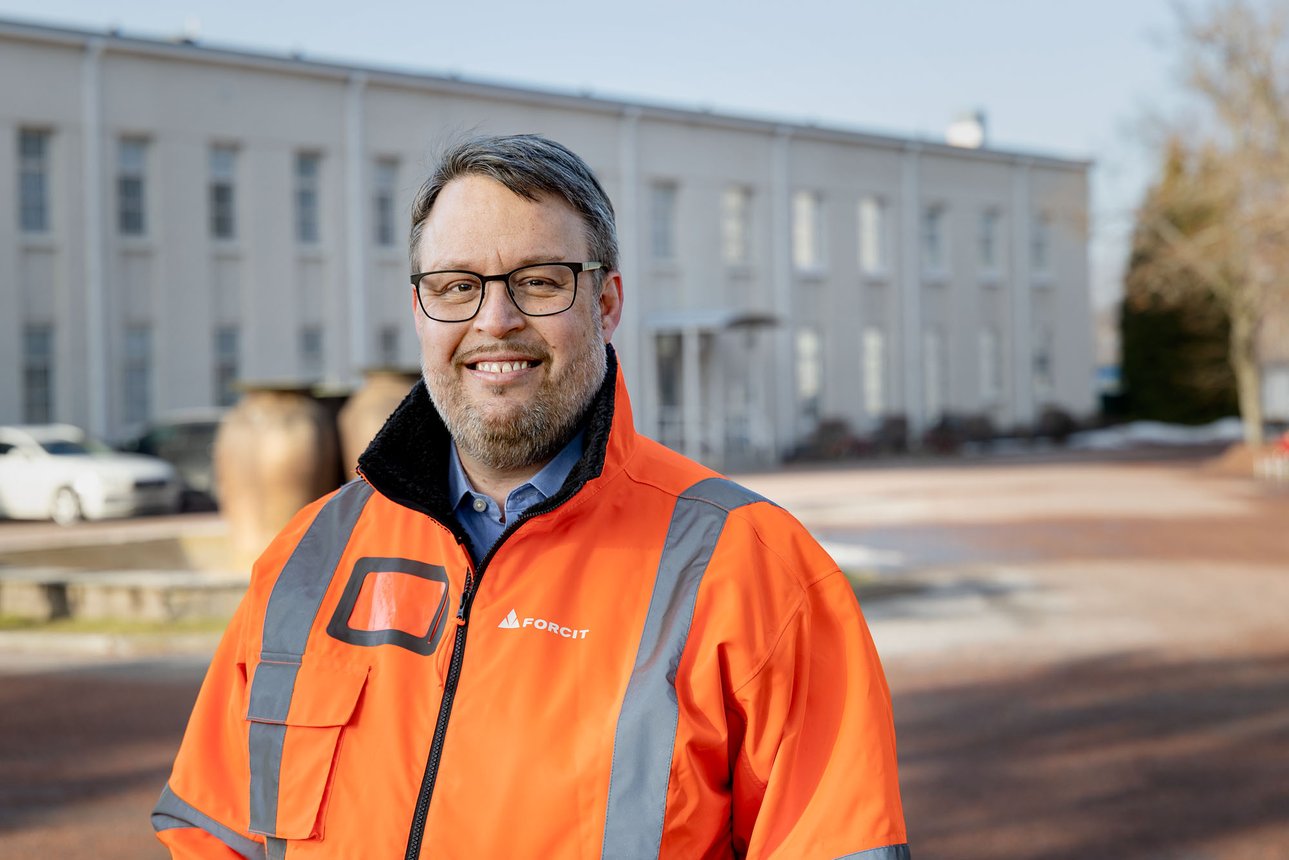
     FORCIT’s Defense business has grown from 16 employees to approximately 250 in just a few years. Strong growth in demand in the defense sector has accelerated the organization’s expansion. At the same time, Business Director Alex Lagerstedt recognized the need to develop leadership practices to support the next phase of growth.

    In a small organization where everyone could gather around the same coffee table, many things happened naturally. As the organization grew, however, it became important to ensure that leadership practices, ways of working, and communication evolved alongside the business.

    As the organization grew rapidly, many managers stepped into leadership roles on the strength of their professional expertise. This created a need to strengthen leadership capabilities and establish shared practices that support effective people leadership. At the same time, FORCIT Defence wanted to clarify roles and ensure that people leadership became a natural part of every manager’s day-to-day work, with HR there to support them.

    “For some, leadership meant, ‘I’m just the manager – HR takes care of these things,’” Lagerstedt explains.

    The strategy was in place, but as the organization grew, it needed to become more visible in everyday work. In a rapidly changing environment, a shared narrative and clear ways of working help everyone stay aligned and moving in the same direction.

    “Our ways of working weren’t yet fully structured, information could have flowed more smoothly, and we were somewhat missing a guiding star – something everyone could look to as we navigated forward,” Lagerstedt continues.

    From Growth Needs to a Shared Leadership Model

    FORCIT Defence needed a long-term partner that could help turn change into everyday practice rather than simply deliver a one-off training session. Three potential partners made it to the final stage, but ultimately, the deciding factor was the approach.

    “What made the difference was that the Trainers’ House coaches didn’t try to push a predetermined solution on us. They didn’t have a ready-made formula that I was expected to fit into. They listened to my challenges and said, ‘We’ll find a solution.’ Only then did we start exploring what that solution could look like,” Lagerstedt explains.

    FORCIT Defence’s rapid growth called for a tailored approach, built step by step around the organization’s own needs and objectives.

    “This isn’t about simply showing up and listening to someone talk. We built a model together that keeps things top of mind and gives us the right push to take action. It has become part of our everyday work – and that’s when you get results,” Lagerstedt says.


    A Shared Story and Structures to Clarify the Direction

     Clear objectives were set for the collaboration. The aim was to support the rapidly growing organization in building a shared narrative, clear core messages, systematic ways of working, and a unified leadership culture. The collaboration also focused on improving the flow of information and defining the key activities that needed to be carried out consistently. Leaders and managers were supported in putting these principles into practice through coaching. 

    Implementation of the Collaboration

    1

    Executive Team Boot Camp

    2

    Supervisor Training Program

    3

    The Playbook for Supervisory Work

    The collaboration began with an intensive leadership team bootcamp, where a Trainers’ House coach helped the team clarify the organization’s big picture and shared direction. The strategy, previously presented largely through figures and tables, was turned into a compelling narrative that everyone in the organization could understand and share with others.

    The leadership system was broken down into its key components, and a systematic structure and rhythm were put in place to ensure that leadership would no longer rest on the shoulders of one individual or HR, but become a natural part of every manager’s day-to-day work. At the same time, critical recurring leadership practices were standardized and aligned across the organization. An operations center was established to support situational leadership and provide a shared view of the organization’s current state. Leadership principles were also documented, and the most critical areas of leadership were identified together. This brought areas such as one-to-one leadership, systematic day-to-day leadership, feedback, and coaching leadership into focus.

    The leadership team bootcamp was followed by a leadership development program that brought together managers and members of the leadership team. Each session focused on one of the previously identified themes, allowing the lessons to be effectively translated into everyday practice. The goal was to build a consistent approach to leadership, regardless of who the manager is or which team they lead.

    To embed the change into everyday work, a leadership playbook was created, bringing the organization’s most important leadership practices together in one place and tailoring them to FORCIT Defence’s needs. The playbook was then rolled out across the organization to help turn learning into consistent action.


    “If you could somehow measure the amount of noise, it’s now just a fraction of what it used to be.”


    Stories Last When Numbers Are Forgotten

    After nearly a year of collaboration, the impact can be seen in everyday work: a shared leadership rhythm, smoother communication, and a strategy that resonates across the organization.

    The most significant change has been embedding regular one-to-one conversations into the organization’s leadership practices. These monthly conversations have received positive feedback and created positive peer pressure among managers.

    “In some departments, employees have gone to their managers and said, ‘Hey, they have regular one-to-one conversations over there – why don’t we?’ It creates positive pressure to stick to the practices we’ve agreed on,” Lagerstedt says.

    Leadership practices and communication have become clearer, while the amount of day-to-day noise has decreased significantly.

    “If there were a way to measure the amount of noise, it would be just a fraction of what it used to be,” Lagerstedt says.

    When information flows through established structures rather than hallway conversations, issues surface in the right place at the right time, and decisions are made where they belong.

    A Strategy That Lives On

    Turning the strategy into a story has changed the way the organization understands its direction.

    “People don’t remember the numbers in a strategy. But when you tell them that we’re like an F1 team that practices changing tires every day, even though we’re already the best at it – that’s a story people remember,” Lagerstedt continues.

    The leadership playbook has also attracted attention beyond FORCIT. An international reference group of experienced defense industry professionals from several countries was impressed when they saw it.

    “We’ve never seen anything like this anywhere. Not even in the military, where there’s a manual for practically everything,” Lagerstedt says.

    The greatest value of the collaboration, however, did not come from any individual tool. It came from building solutions around the organization’s own needs and embedding them into everyday work.

    “I would definitely recommend Trainers’ House. The starting point has always been to understand us first and then figure out what could work for us. Nothing was pushed on us – they listened. That’s genuine customer-centricity.”

    “I come to work with a smile every day,” Lagerstedt concludes.
     

    We're here to help

    Ajanvaraus

    Varaa kasvukartoitus

    Varaa aika Trainers' Housen konsultin kanssa, niin keskustellaan teidän tilanteesta, tahtotilasta ja tasonnoston paikoista.